The Aedes aegypti mosquito, a mosquito differentiated from others by their trademark white markings on the legs is the creature responsible for the dreaded dengue. A couple of months ago, I heard there were some cases of dengue around the island. Not surprising given the excessive amounts of rainfall we had been experiencing, and which provide excellent breeding conditions for the pest.
Before October 2020, I had limited knowledge of mosquito-related illnesses in Barbados. I had heard stories from friends who had contracted dengue, Chikungunya or Zika in past years. I am sharing the details of my daughter’s recent illness in the hope that all residents of Barbados will become more vigilant. Everyone can play a part to help eradicate mosquito breeding areas around homes, businesses and other locations. Everyone who contracts dengue doesn’t get hospitalised. Still, they will likely be unable to work or go to school for one to three weeks, resulting in a significant loss of productivity, due to a preventable illness.

One afternoon this past October, my teenager reported to me that she had a fever, her eyes were hurting, and she had “pains” when she sat up. I called her doctor to discuss. She promptly advised where we should visit for a COVID test and a blood test for a “rapid diagnosis” dengue test. The dengue test was positive, and as per doctor instructions, she rested, tried to drink as much liquid as possible and take Panadol for the persistent high fevers.
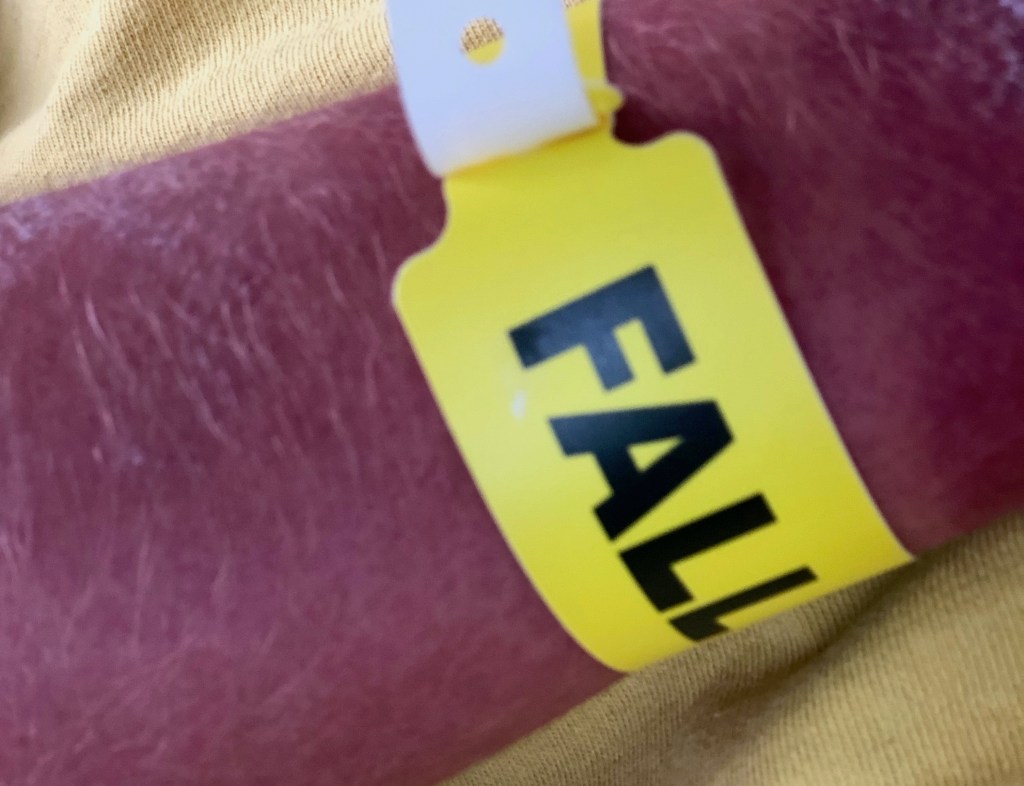
As the days progressed, she appeared to get weaker, was not ingesting any solid food, and it was a struggle to drink. Symptoms included fever, body aches, headaches, dizziness, nausea and vomiting. Additionally, on two occasions, she got out of bed and fell to the ground. Later we realized that she was experiencing such a tremendous drop in her blood pressure when she moved from lying to standing that she was blacking out.
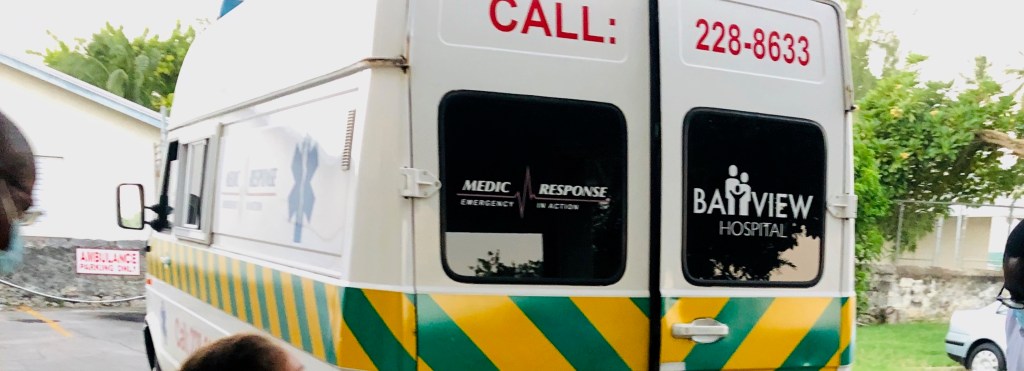
Her very conscientious doctor was in constant contact and requested to see her, to test her blood again and check for dehydration. After five days of unabated fever and no food, she had become so weak she was unable to walk. We had a doctor visit us at home to take blood and give her fluids by IV. Following the blood test result, she was admitted to hospital due to a rapid decline in her platelets.
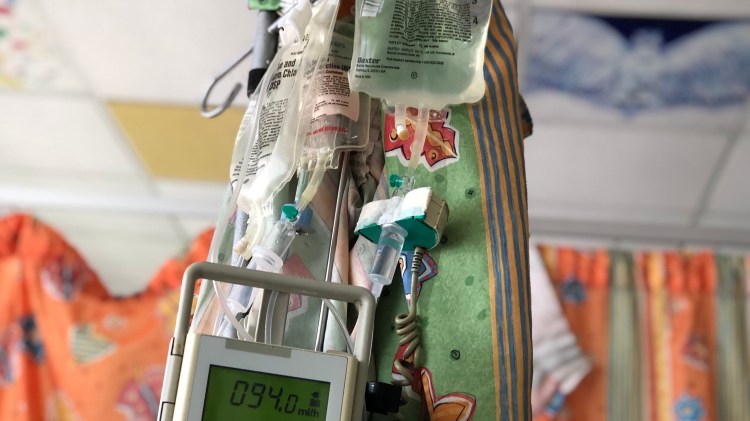
The transition from dengue fever to severe dengue fever. Six surreal days of continuous IV drips, blood pressure checks and blood tests. I learned words like thrombocytopenia and postural hypotension. I watched nervously as my child lay mostly motionless in bed. We were approaching Day 8 of no food by mouth, continually nauseous, lethargic, rarely sitting up and unable to stand due to extreme dizziness (postural hypotension). Her platelet level was tested daily and continued to fall for the first few days (thrombocytopenia) before stabilising.
Things were looking up I thought, with platelet decline arrested and a fever reduction. Then the horrendous rash arrived. It seems everyone’s experience with the rash is different; some itch and some do not.
In her case, there was extreme itching. Antihistamines were administered by drip every few hours which helped. We applied calamine lotion, but this provided limited relief. Very weak and very tired, the onslaught of the rash was very challenging. “I feel like I am on fire, can I get more medication,” she kept quietly saying for about 36 hours with some respite at intervals from the antihistamine.
As the itching reduced, however, the rash evolved into an overall redness with only her face remaining her usual colour! One of the doctors said, “Wow, she seems to be experiencing the whole range of possible dengue symptoms.”
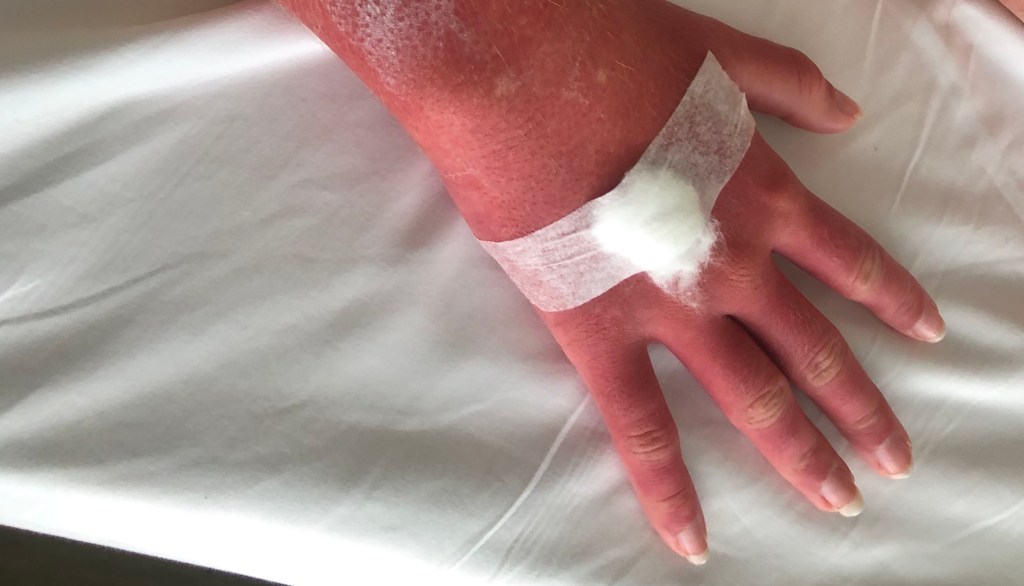
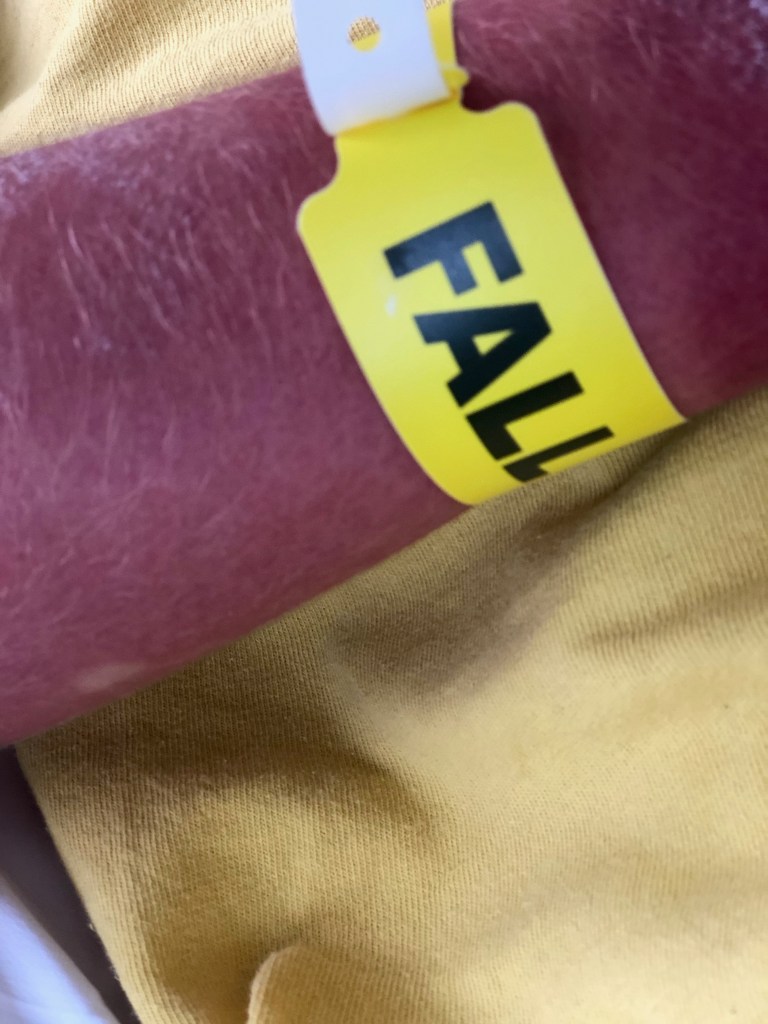
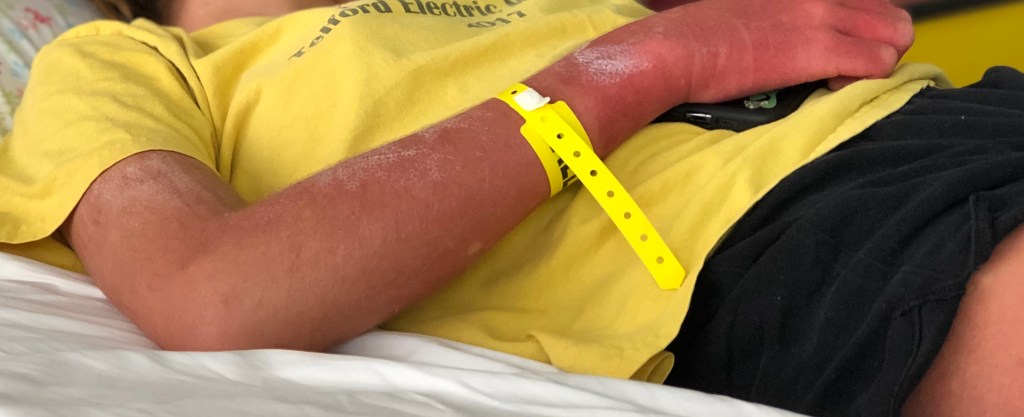

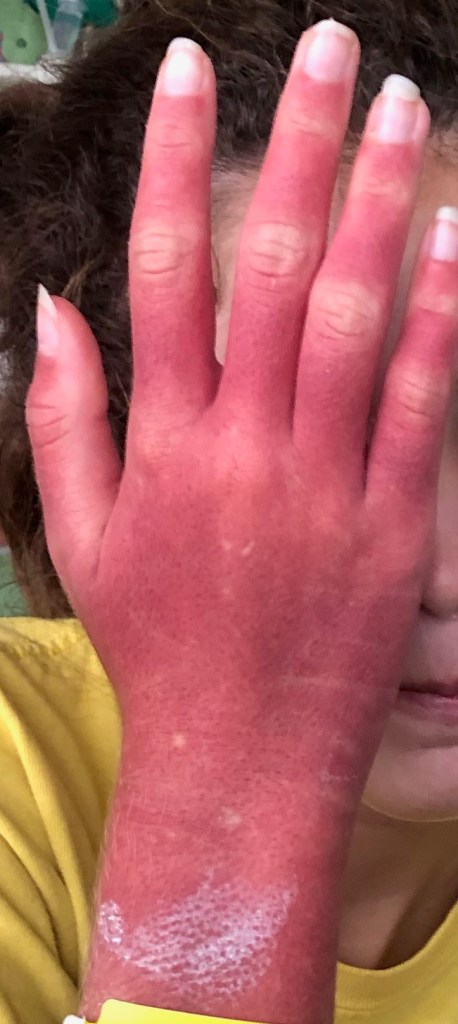
The redness was sub-cutaneous bleeding the doctors said, another possible symptom with severe dengue fever. Online articles speak of “plasma leakage” the process by which the fluid of the blood leaks from blood vessels to the surrounding tissue. Expert reports say it’s caused by increased capillary permeability and may manifest in various forms, ranging from petechial skin haemorrhages to life-threatening gastrointestinal bleeding. Thankfully, hers was the former and not the latter. At the same time, as the redness spread everywhere, her feet and hands swelled – fluid accumulation, apparently just completing the checklist of having almost every symptom possible!
And just like that, magically, we turned a corner, and she asked for rice to eat. Another two days passed and then we were homeward bound. It wasn’t just back to life as normal, however. Dengue fever did a number on her. Another week of a lot of sleep before she could go back to school. She was exhausted, and the tiredness continued for another two weeks. Weeks later she still isn’t completely herself.
Dengue may not be avoidable, but, in my opinion, with more effort, we could reduce its incidence. The Government has its fogging routine, and I’ve heard public service announcements on the radio about taking care of allowing standing water on properties.
It’s time for all residents to act responsibly and make sure no mosquitoes are breeding around their homes, within their neighbourhoods and their children’s schools.
This strain seems very harsh on children, there were eight in hospital when we were there. I am confident it may be a terrible experience for the elderly. Given the COVID environment, it’s unlikely everyone is being tested for dengue! I believe there are many more dengue cases than are being reported. Please play your part.
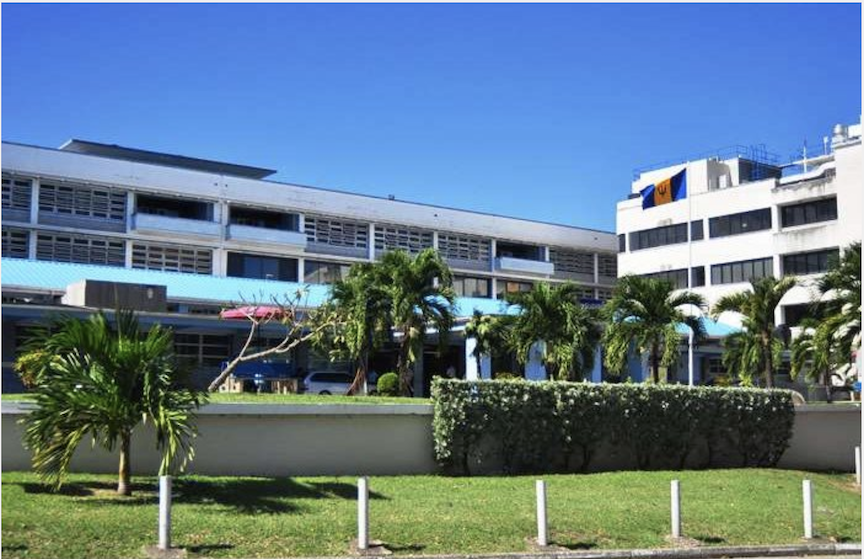
Queen Elizabeth Hospital often gets a bad rap. My daughter received excellent care. I would like to personally thank the very hard-working doctors, residents, interns, nurses and other support staff of the Children’s ward of the QEH. Additionally, a huge thank you to one of the most dedicated paediatricians on the island: Dr Soo Ping Chow. Further thanks to Urgent Care for responding so promptly and the team at Medic Response for a smooth transferral to the QEH Hospital.
* Did you know?
- Dengue is common in more than 100 countries around the world.
- Forty percent of the world’s population, about 3 billion people, live in areas with a risk of dengue.
- Each year, up to 400 million people get infected with dengue.
- Dengue is caused by one of any of four related viruses: Dengue virus 1, 2, 3, and 4. For this reason, a person can be infected with a dengue virus as many as four times in his or her lifetime.
(*According to the Centres for Disease Control and Prevention)
 Kristina Evelyn
Kristina, thank you for sharing your experience and I’m happy to hear your Daughter is on the mend. Poor love having such a horrendous time. Your article will hopefully give our little island community a reality check and promote vigilance against the breeding of mosquitoes and their danger to health.
Thanks again for sharing.
LikeLike